Table of Contents
Dry Fruits: Nature’s Healthy and Nutritious Gift

Introduction
Dry fruits are one of the healthiest natural foods consumed across the world. They are obtained by removing the water content from fresh fruits through natural drying or modern dehydration methods. This process increases their shelf life while preserving most of their nutrients. Dry fruits are rich in vitamins, minerals, healthy fats, fiber, and antioxidants, making them an excellent addition to a balanced diet.
For centuries,they have been valued for their nutritional benefits and have been used in traditional medicine, cooking, festivals, and celebrations. They are enjoyed as snacks, added to desserts, used in baking, or mixed with cereals and salads. Due to their high nutritional value, dry fruits are often referred to as “superfoods.”
What Are Dry Fruits?
They are the fruits that have had most of their moisture removed either naturally by sunlight or through artificial drying techniques. As a result, they become smaller, sweeter, and more concentrated in nutrients. Some of thses are naturally dried, while others are dried using modern dehydrators.
They can be classified into two main categories:
1. Naturally Dried Fruits
These are fruits that are dried after harvesting.
- Raisins
- Dates
- Figs
- Apricots
- Prunes
2. Nuts Commonly Called Dry Fruits
Although technically seeds, they are popularly included in the dry fruit category.
- Almonds
- Cashews
- Walnuts
- Pistachios
- Pecans
- Hazelnuts
Nutritional Value of Dry Fruits
They are packed with essential nutrients that support overall health. They contain:
- Dietary fiber for better digestion
- Healthy fats that support heart health
- Plant-based protein for muscle growth
- Vitamins such as Vitamin E, Vitamin B complex, and Vitamin K
- Minerals including calcium, iron, magnesium, potassium, phosphorus, and zinc
- Antioxidants that protect the body from free radical damage
Since dry fruits contain concentrated nutrients, even a small serving provides significant health benefits.
Types of Popular Dry Fruits
Almonds
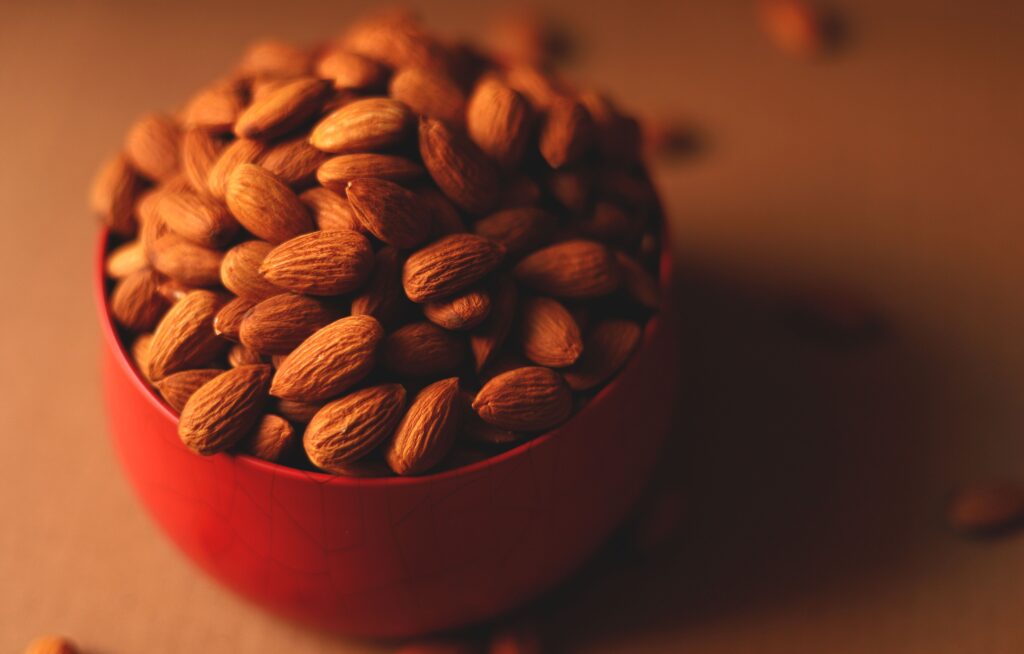
Almonds are among the most popular dry fruits worldwide. They are rich in Vitamin E, healthy fats, protein, and calcium. Almonds help improve memory, strengthen bones, and promote healthy skin.
Cashews
Cashews are creamy and delicious. They contain copper, magnesium, zinc, and healthy fats. Cashews support bone health, improve immunity, and provide energy.
Walnuts
Walnuts are known for their high omega-3 fatty acid content. They help improve brain function, reduce inflammation, and support heart health.
Pistachios
Pistachios are rich in protein, fiber, and antioxidants. They help in weight management, improve digestion, and maintain healthy blood sugar levels.
Raisins
Raisins are dried grapes packed with iron, potassium, and antioxidants. They help improve digestion, boost energy, and support healthy blood circulation.
Dates
Dates are naturally sweet and rich in fiber, potassium, and iron. They provide instant energy and are commonly consumed during fasting.
Figs
Figs contain calcium, fiber, and antioxidants. They improve digestion, strengthen bones, and support heart health.
Health Benefits of Dry Fruits
1. Boost Energy
They are rich in natural sugars, healthy fats, and carbohydrates, making them an excellent source of instant energy. They are ideal for students, athletes, and working professionals.
2. Improve Heart Health
Many of these contain healthy unsaturated fats that help lower bad cholesterol levels and maintain healthy blood pressure. Regular consumption reduces the risk of cardiovascular diseases.
3. Strengthen Bones
Almonds or Figs or cashews etc. are rich in calcium, magnesium, and phosphorus, which contribute to stronger bones and teeth.
4. Support Brain Function
Walnuts and almonds contain nutrients that improve memory, concentration, and overall brain health. Omega-3 fatty acids found in walnuts are especially beneficial for cognitive function.
5. Aid Digestion
Fiber-rich dry fruits such as raisins, figs, and dates improve digestion, prevent constipation, and maintain a healthy digestive system.
6. Enhance Immunity
They provide essential vitamins, minerals, and antioxidants that strengthen the immune system and help the body fight infections.
7. Promote Healthy Skin
Vitamin E and antioxidants found in almonds and other nuts protect the skin from damage, reduce signs of aging, and improve skin texture.
8. Help in Weight Management
Although they are calorie-dense, moderate consumption keeps a person full for longer, reducing unnecessary snacking and supporting healthy weight management.
Uses of Dry Fruits
Thses have numerous culinary and nutritional uses.
In Daily Diet
They are consumed as healthy snacks between meals.
In Desserts
They are used in cakes, cookies, chocolates, ice creams, puddings, and traditional sweets.
In Breakfast
Many people add them to cereals, oats, yogurt, and smoothies.
In Festive Celebrations
They are gifted during festivals such as Diwali, Eid, and Christmas as symbols of health and prosperity.
In Traditional Medicine
Several of these have been used in Ayurveda and other traditional medicinal systems for promoting good health.
Economic Importance of Dry Fruits
Their industry plays a significant role in agriculture and international trade. Countries such as India, the United States, Iran, Turkey, and Afghanistan are major producers and exporters of various dry fruits. The increasing demand for healthy snacks has boosted the global dry fruit market.
Their cultivation provides employment opportunities for farmers, traders, processors, transporters, and retailers. The industry also contributes significantly to export earnings.
Precautions While Consuming Dry Fruits
Although dry fruits are highly nutritious, they should be consumed in moderation because they are calorie-rich.
Some important precautions include:
- Avoid excessive consumption to prevent unnecessary calorie intake.
- Store dry fruits in airtight containers to maintain freshness.
- Choose unsalted and unsweetened varieties whenever possible.
- People with nut allergies should avoid nuts and consult a healthcare professional before consumption.
- Always check the quality and expiry date before purchasing packaged dry fruits.
Dry Fruits in Modern Lifestyle
Today, dry fruits have become an essential part of healthy eating habits. Nutritionists recommend including a small handful of mixed dry fruits in the daily diet. They are convenient, portable, and require no preparation, making them an ideal snack for busy lifestyles.
With increasing awareness about health and fitness, dry fruits are replacing processed snacks in many households. They are also popular among athletes, fitness enthusiasts, and individuals following balanced diets.
Conclusion
Dry fruits are a valuable source of nutrition and offer numerous health benefits. Rich in vitamins, minerals, healthy fats, fiber, and antioxidants, they contribute to better heart health, stronger bones, improved brain function, enhanced immunity, and increased energy levels. They are versatile, delicious, and suitable for people of all age groups.
However, moderation is essential because of their high calorie content. When included as part of a balanced diet, dry fruits can significantly improve overall health and well-being. Their nutritional richness, long shelf life, and wide range of uses make them one of nature’s finest gifts for maintaining a healthy lifestyle.